
Home / Australian Sailing / Australian Sailing Instructor Pathway
Australian Sailing Instructor Pathway
The domestic route into teaching, and where most Australian sailing instructors begin.
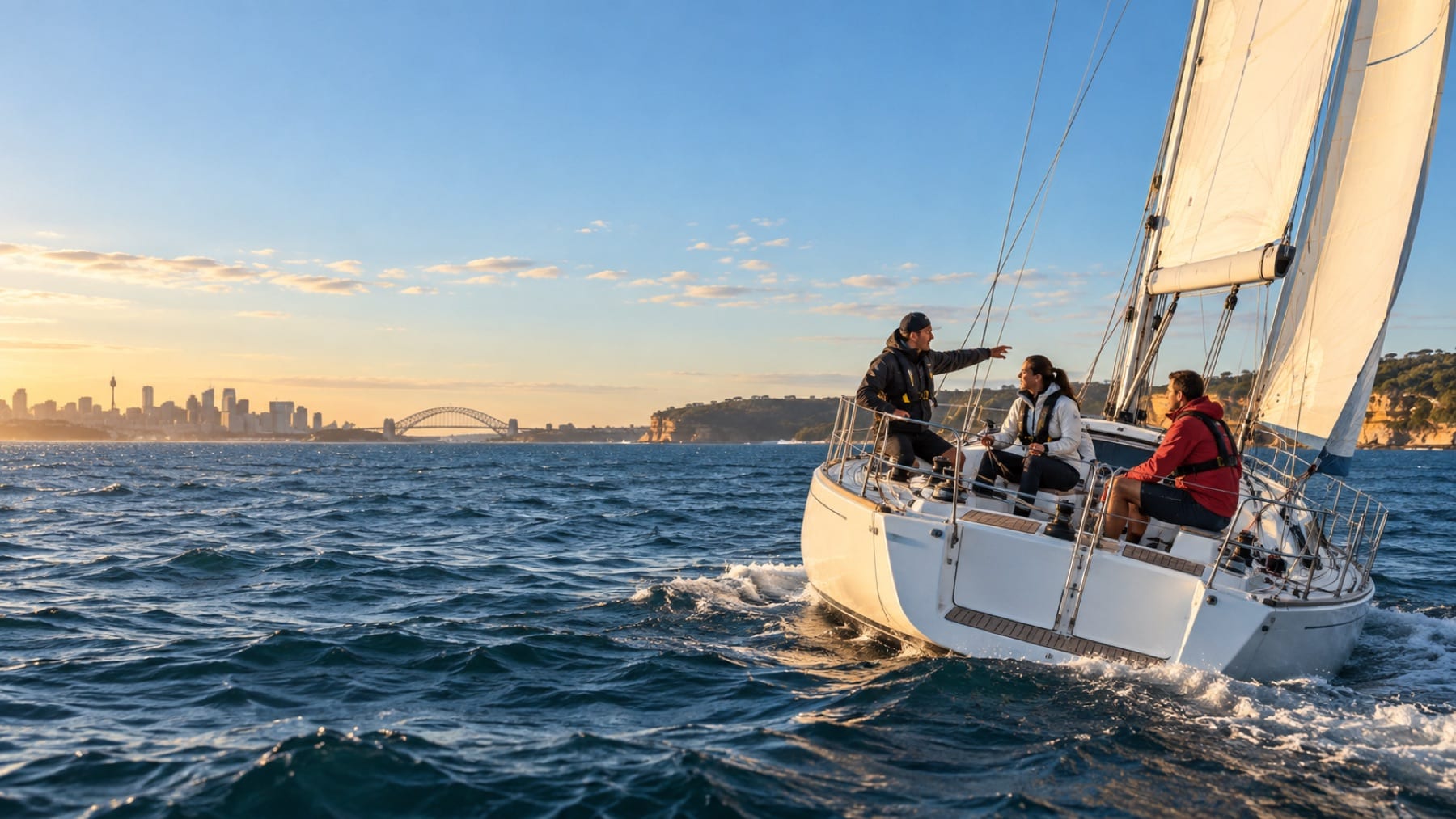
Someone wanting to teach sailing professionally or through an accredited training centre has a separate education path.
Australian Sailing currently lists instructor and coach education including:
A Dinghy Instructor, for example, must meet sailing-skill, first-aid, powerboat and other accreditation requirements before completing the instructor program.
- Who it suits
- Competent sailors who want to teach, coach or work at a club or school.
- What it is not
- An instructor qualification is not a commercial skipper ticket. AMSA handles that separately.
Primary source: Australian Sailing courses. Course structures and prerequisites can change; confirm the current version with the training body and school.
The course in context
Instructor development is about teaching other people safely and effectively, not simply demonstrating that you sail well. Australian Sailing offers discipline-specific pathways, so dinghy, keelboat and powerboat instructors do not all complete an identical qualification. Choose the pathway that matches what and where you intend to teach.
Before you start
Check the current prerequisites for the particular instructor course, including sailing competence, supporting certificates, pre-course learning and applicable child-safety requirements. Do this before booking: requirements can differ between disciplines and jurisdictions.
Skills you will develop
Planning useful sessions
Set achievable objectives and choose activities that fit the group, boats and conditions. A technically correct lesson still needs to be understandable to its learners.
Demonstration and feedback
Explain and demonstrate skills, observe what learners actually do and give feedback they can act on. Strong instructors adapt when one explanation does not work.
Safe, inclusive learning
Manage the environment and group while supporting different confidence levels. Teaching judgement includes recognising when to simplify or stop an activity.
Training and assessment
Expect programme-specific training and assessed teaching practice rather than only a sailing test. Ask about endorsements, currency and the centre arrangements needed to deliver recognised courses after qualification.
Questions to ask the school
- Which discipline-specific qualification do I need?
- Are all my prerequisite certificates current?
- What mentoring and teaching opportunities follow the course?
Related learning
Other Australian Sailing courses
Tackers Sailing Courses
Australian Sailing’s junior program, built around fun and water confidence first and sailing technique second.
OutThere Sailing for Teenagers
For teenagers who have outgrown Tackers and are not ready for an adult course.
Australian Sailing Dinghy Courses
The most widely available learn-to-sail route in the country, and the fastest way to real wind awareness.
Australian Sailing Keelboat Courses
Start Crewing, Start Helming, Start Skippering — a stable boat and a natural bridge toward yachts.
Australian Sailing Safety & Sea Survival
Two days on what to do when it goes seriously wrong offshore, including a liferaft session in the pool.
Australian Sailing Powerboat Courses for Sailors
More relevant to sailors than the name suggests: nearly all rescue and support work happens from a powerboat.
Australian schools using Australian Sailing
These schools advertise training under the Australian Sailing system. This does not confirm that every school currently runs Australian Sailing Instructor Pathway; check the current course list directly.
Which course should you actually book?
Three questions — your experience, the boat you want to sail, and your goal — give you a starting course and the schools that teach it near you.