
Home / RYA / RYA Day Skipper Theory
RYA Day Skipper Theory
The classroom half of Day Skipper: charts, tides, buoyage, collision regulations and passage planning.
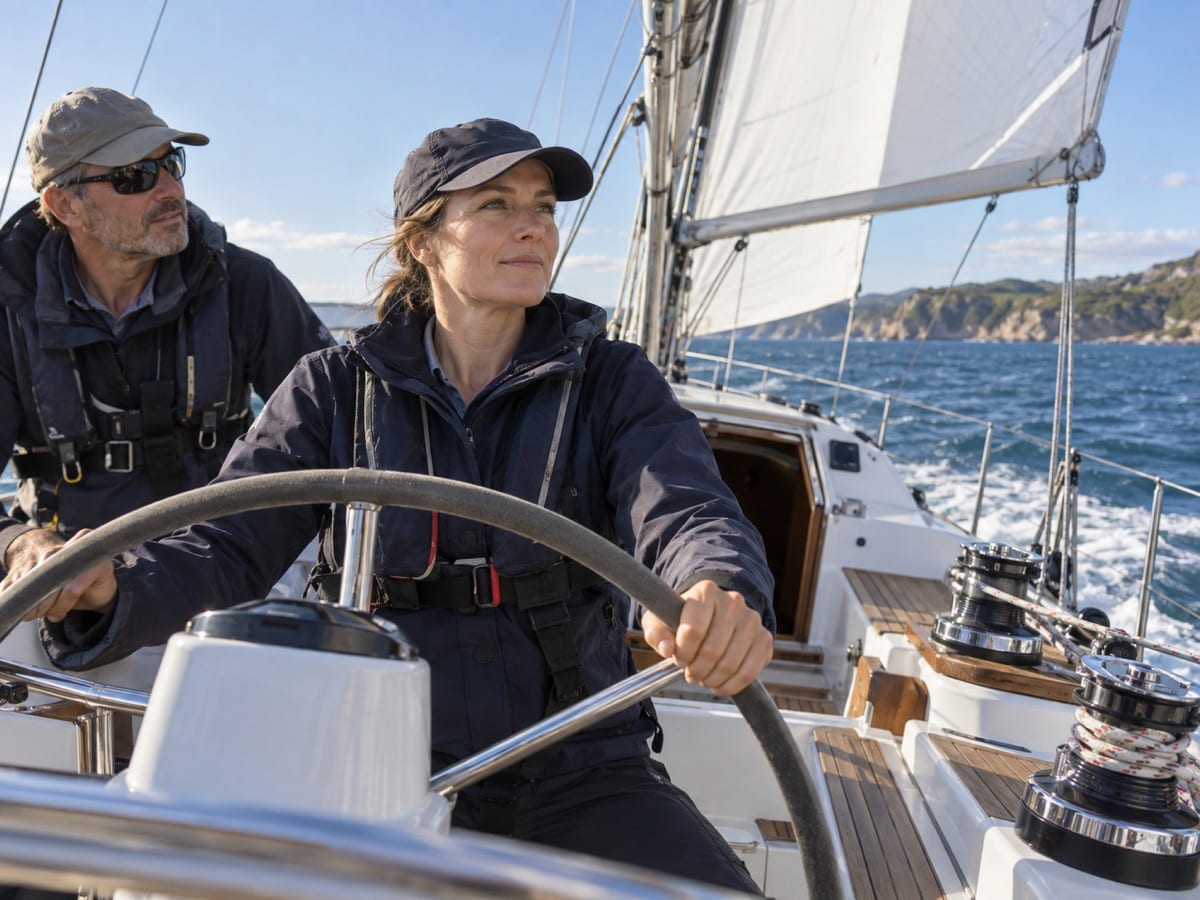
This is where the cruising pathway becomes much more navigation-focused.
Typical subjects include:
The theory course is preparation for taking responsibility as a skipper rather than simply handling sails.
- Who it suits
- Anyone heading for Day Skipper Practical, and any owner who navigates by chartplotter and knows they should not rely on it.
- What it is not
- Theory alone does not make you a skipper, and it is not a certificate of competence to take charge of a yacht.
Primary source: RYA training. Course structures and prerequisites can change; confirm the current version with the training body and school.
The course in context
Day Skipper Theory explains the decisions behind a coastal trip: where the boat is, where it can safely go and how weather and tides affect the plan. It is valuable before practical skipper training because trying to learn chartwork for the first time while also managing a yacht can overload a new skipper.
Before you start
The RYA recommends some practical experience but does not require it. You do not need advanced mathematics; you do need time to work through exercises carefully. Ask about chart packs, plotting tools and support if you are studying online or returning to formal learning after a long break.
Skills you will develop
Charts and position
Learn to interpret chart information and use positions, bearings and courses meaningfully. Electronic charts are part of the subject, but a screen does not remove the need to understand what the information represents.
Tides, weather and planning
Connect predicted conditions with departure, passage and arrival decisions. The useful outcome is recognising constraints early, not producing a neat plan that ignores them.
Rules and seamanship
Study the navigation rules and practical knowledge that support decisions afloat. These topics need applying to scenarios, rather than memorising answers only for the final assessment.
Training and assessment
The RYA specifies 40 hours of teaching plus examination time. Classroom, online and distance-learning formats are available. This is shorebased knowledge training: completing it is not the same as demonstrating practical skippering ability.
Questions to ask the school
- Are materials and assessments included?
- How do I get tutor help?
- How should I time this before the practical course?
Related learning
Other RYA courses
RYA Sailing Pathway
The whole RYA cruising route in order, and where you are allowed to skip a step.
RYA Cruising Level 1: Start Sailing
A short introduction aboard a small cruising yacht — the shortest way to find out whether yachting suits you.
RYA Cruising Level 2: Basic Skills
The follow-on from Level 1, adding real boat handling on a small cruising yacht.
RYA Start Yachting
Two days aboard a cruising yacht, for complete beginners who want a genuine taste of yachting.
RYA Day Skipper Practical Sailing
Five days in which you stop being crew and start being the person responsible for the boat.
RYA Coastal Skipper Practical
Skippering beyond familiar water and beyond daylight — longer passages, night pilotage, heavier weather.
RYA Coastal Skipper and Yachtmaster Offshore Theory
The advanced shorebased course: tidal work, passage planning, meteorology and collision regulations at Yachtmaster depth.
RYA Yachtmaster Guide
Not a course. An examination against a published standard, taken after qualifying sea time.
Australian schools using RYA
These schools advertise training under the RYA system. This does not confirm that every school currently runs RYA Day Skipper Theory; check the current course list directly.
Which course should you actually book?
Three questions — your experience, the boat you want to sail, and your goal — give you a starting course and the schools that teach it near you.