
Home / RYA / RYA Coastal Skipper Practical
RYA Coastal Skipper Practical
Skippering beyond familiar water and beyond daylight — longer passages, night pilotage, heavier weather.
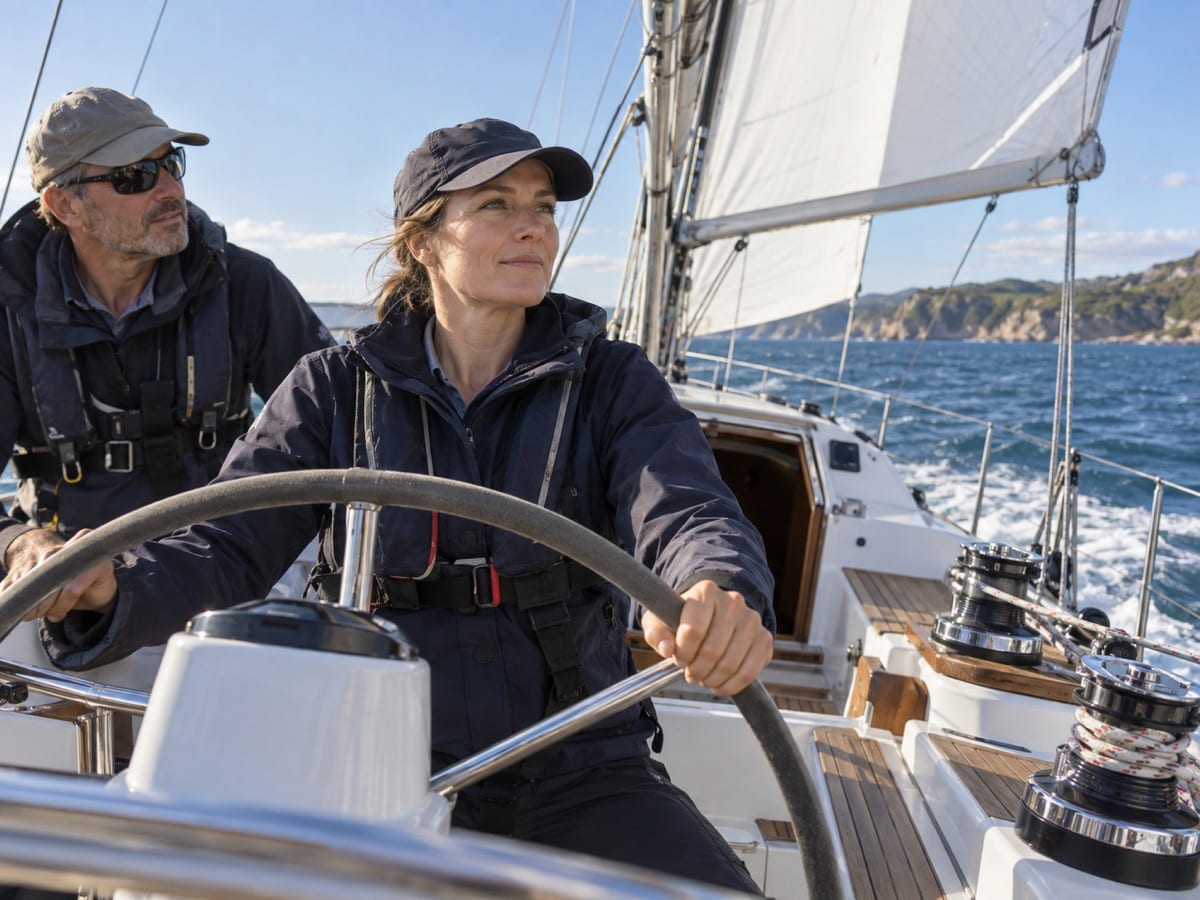
Coastal Skipper Practical is designed for experienced sailors already operating around Day Skipper level.
Training focuses on:
It is a **training course**.
It should not be confused with a Yachtmaster Certificate of Competence.
- Who it suits
- Day Skippers with real miles behind them who want to run coastal passages with confidence.
- What it is not
- It is a training course, not a Certificate of Competence. Yachtmaster Coastal is the examination that follows.
Primary source: RYA training. Course structures and prerequisites can change; confirm the current version with the training body and school.
The course in context
Coastal Skipper Practical extends your ability to run more demanding coastal passages by day and night. The emphasis shifts towards making a sound plan, managing a crew over a longer period and adapting when circumstances change. It is a practical training course, distinct from the independently examined Yachtmaster Coastal certificate.
Before you start
The RYA lists 15 days aboard, two days as skipper, 300 miles and eight night hours, with a minimum age of 17. Boat handling should already be at Day Skipper standard. Discuss your navigation knowledge and recent command experience with the centre before booking.
Skills you will develop
Passage leadership
Take responsibility for preparation and execution, not just one isolated manoeuvre. Explain the plan, allocate tasks and keep track of whether the crew and yacht are ready for the next stage.
Day and night pilotage
Develop a more deliberate approach to arrivals and departures when visual information or available time is limited. Good preparation should reduce workload rather than create a document nobody uses.
Handling and contingencies
Refine handling under sail and power while considering adverse weather and emergency situations. Training should develop judgement about when to change the plan, not an expectation of pressing on.
Training and assessment
This is a five-day practical course. Students skipper more demanding passages under instructor supervision. Ask how the itinerary provides individual command time and night experience, and how progress is assessed throughout the week.
Questions to ask the school
- Does my recent experience meet the starting standard?
- How is night passage work organised?
- How does this differ from Yachtmaster Coastal preparation?
Related learning
Before and after
← Before: RYA Day Skipper Practical Sailing
Five days in which you stop being crew and start being the person responsible for the boat.
Next: RYA Coastal Skipper and Yachtmaster Offshore Theory →
The advanced shorebased course: tidal work, passage planning, meteorology and collision regulations at Yachtmaster depth.
Other RYA courses
RYA Sailing Pathway
The whole RYA cruising route in order, and where you are allowed to skip a step.
RYA Cruising Level 1: Start Sailing
A short introduction aboard a small cruising yacht — the shortest way to find out whether yachting suits you.
RYA Cruising Level 2: Basic Skills
The follow-on from Level 1, adding real boat handling on a small cruising yacht.
RYA Start Yachting
Two days aboard a cruising yacht, for complete beginners who want a genuine taste of yachting.
RYA Day Skipper Theory
The classroom half of Day Skipper: charts, tides, buoyage, collision regulations and passage planning.
RYA Day Skipper Practical Sailing
Five days in which you stop being crew and start being the person responsible for the boat.
RYA Coastal Skipper and Yachtmaster Offshore Theory
The advanced shorebased course: tidal work, passage planning, meteorology and collision regulations at Yachtmaster depth.
RYA Yachtmaster Guide
Not a course. An examination against a published standard, taken after qualifying sea time.
Australian schools using RYA
These schools advertise training under the RYA system. This does not confirm that every school currently runs RYA Coastal Skipper Practical; check the current course list directly.
Which course should you actually book?
Three questions — your experience, the boat you want to sail, and your goal — give you a starting course and the schools that teach it near you.