
Home / RYA / RYA Youth Sailing Stage 3
RYA Youth Sailing Stage 3
Sailing well rather than sailing at all, in more wind than Stage 2 allowed.
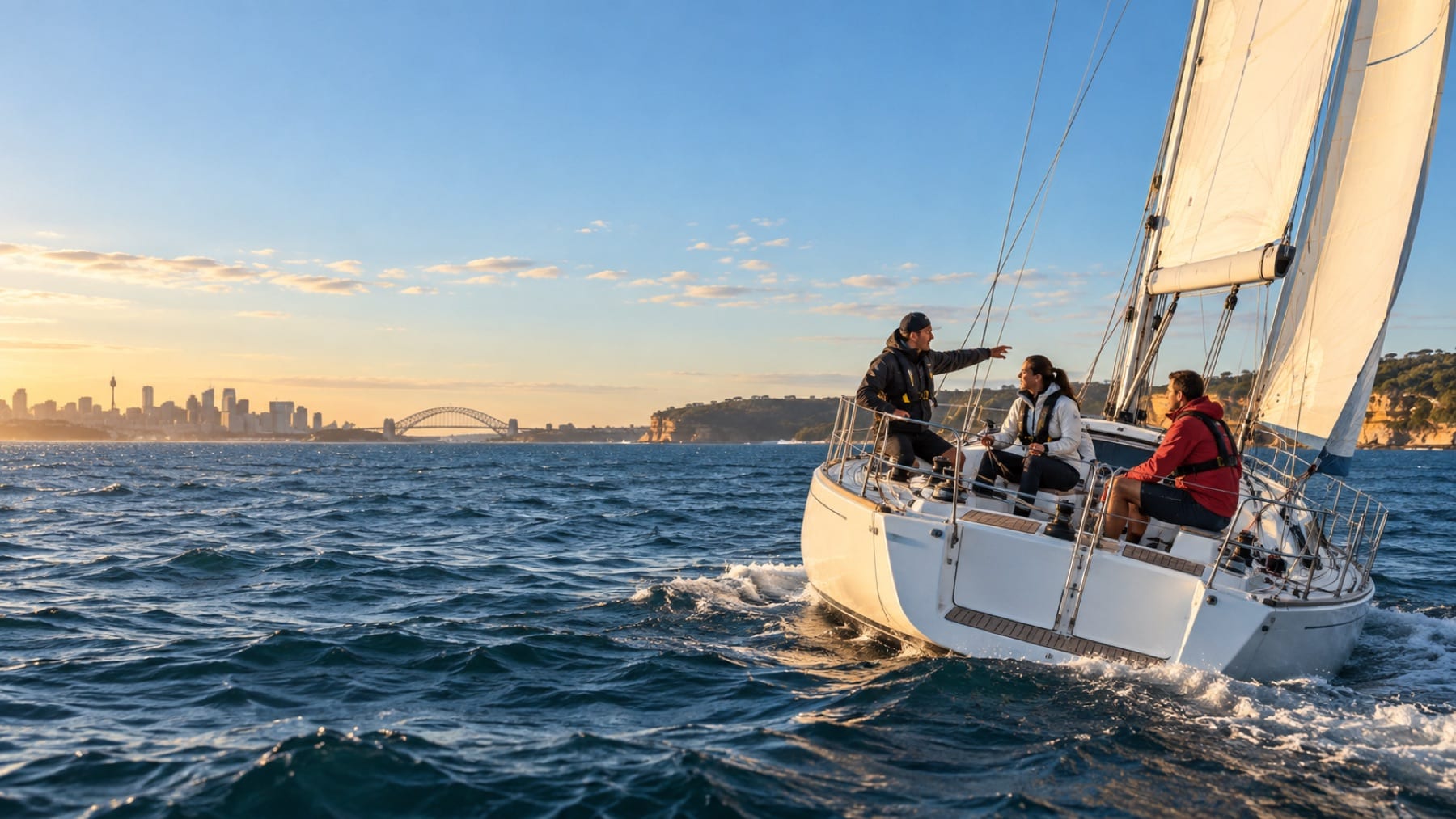
Stage 3 is where the youth scheme starts asking for quality.
It covers:
Many young sailors join a club racing fleet at about this point. Racing teaches boat handling faster than any course, because the feedback is immediate and public.
- Who it suits
- Stage 2 holders who sail regularly and want to get faster and tidier.
- What it is not
- Not a racing stage, though it is where most young racers come from.
Primary source: RYA training. Course structures and prerequisites can change; confirm the current version with the training body and school.
The course in context
Stage 3 develops a young sailor’s ability to handle a dinghy across different directions to the wind in suitable conditions. It is a move towards more independent sailing within the centre’s supervised environment, not a declaration that a child can sail anywhere without support.
Before you start
Stage 2 skills or equivalent experience should be established. Ask whether the planned boat and venue are familiar to the child. Confidence can change considerably between a sheltered training pond and more exposed water.
Skills you will develop
Sailing in different directions
Join the points of sail into a controlled route. The learner needs to understand when to change sail settings and how to reach the intended destination.
Preparation and control
Take a more active role in preparing the dinghy and managing it afloat. Recognising a problem and asking for help remains a positive skill.
Practical confidence
Develop steadier handling as conditions vary within the training limits. Consistency matters more than demonstrating a manoeuvre once.
Training and assessment
Training is practical with instructor observation and feedback. Discuss the centre’s post-course sailing arrangements; a Stage 3 certificate does not override its supervision or local operating rules.
Questions to ask the school
- What conditions will the group sail in?
- Which independent tasks are expected?
- Is Stage 4 or introductory racing the better next step?
Related learning
Other RYA courses
RYA Sailing Pathway
The whole RYA cruising route in order, and where you are allowed to skip a step.
RYA Cruising Level 1: Start Sailing
A short introduction aboard a small cruising yacht — the shortest way to find out whether yachting suits you.
RYA Cruising Level 2: Basic Skills
The follow-on from Level 1, adding real boat handling on a small cruising yacht.
RYA Start Yachting
Two days aboard a cruising yacht, for complete beginners who want a genuine taste of yachting.
RYA Day Skipper Theory
The classroom half of Day Skipper: charts, tides, buoyage, collision regulations and passage planning.
RYA Day Skipper Practical Sailing
Five days in which you stop being crew and start being the person responsible for the boat.
RYA Coastal Skipper Practical
Skippering beyond familiar water and beyond daylight — longer passages, night pilotage, heavier weather.
RYA Coastal Skipper and Yachtmaster Offshore Theory
The advanced shorebased course: tidal work, passage planning, meteorology and collision regulations at Yachtmaster depth.
Australian schools using RYA
These schools advertise training under the RYA system. This does not confirm that every school currently runs RYA Youth Sailing Stage 3; check the current course list directly.
Which course should you actually book?
Three questions — your experience, the boat you want to sail, and your goal — give you a starting course and the schools that teach it near you.